I am not very good at making New Year’s resolutions. Actually, I used to be great at making them. It was the keeping of them that often proved challenging…so I opted out of this annual practice of planned failure.
My resolve to not make resolutions came into question a few months ago, however, when someone asked me about my “bucket list.” If you are unfamiliar with this term, a bucket list is usually a list of the experiences or achievements a person hopes to have or accomplish during their lifetime (aka before they “kick the bucket”). Now, why this person was interested in mine, I am uncertain. Maybe it was curiosity, or perhaps they know something I don’t! (Note to self: schedule doctor’s appointment).

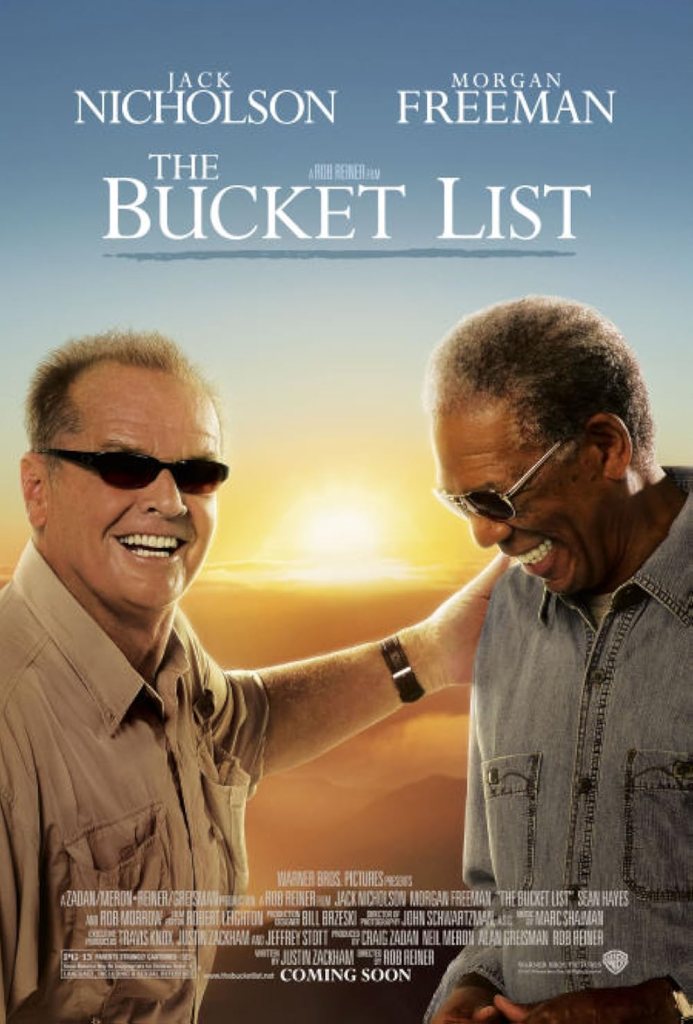
Of course, if you are as fabulously wealthy as the Jack Nicholson character in the movie (The Bucket List), which set off this phenomenon of crafting a list of lifetime achievements, one’s goals might include all kinds of exotic, extreme, and expensive experiences. Those of us on a more limited budget might still dream—and plan—to travel (the most common thing listed, according to several sources), finish a marathon, learn a new skill or language, or buy that one shiny object that has long captured our attention.
There is nothing wrong with having a bucket list. Life is a passing shadow, the Good Book tells us, and we are each but a mist that appears for a little while and then vanishes. Drinking up as much life as possible and experiencing it to the fullest while we can seems like a worthy ambition. We might as well make the most of it while it is still day.
At the same time, I am more mindful than ever that the notion of a bucket list is a privilege unavailable to much of the world. Many of us stumble through life, assuming we have choices, options, and opportunities that most people only dream about. As we think about what a full and flourishing life entails, lots of us expect to have enough leisure time and discretionary resources to do as we please. But in our world:
· 30% of the population does not have constant access to food,
· 26% may not have a source of clean drinking water,
· Nearly 50% have no basic sanitation,
· Almost 60% of the world struggles to survive on less than $10 a day,
· And nearly 10% are suffering in extreme poverty at less than $2 a day.
In too many places where I have been privileged to travel, a more common and urgent bucket list includes enough clean water for that day, making enough money to buy food for that day, or finding some way to get to a distant clinic that day to purchase medicine or see a physician.
What feels so normal, and even expected, by many of us is entirely foreign to a significant part of the human community. I think about this often, especially as a person who has had more than his share of experiences and is closer than ever to that day when my foot makes contact with the bucket.
There are still so many things I wish to see happen in my life, but far more of them revolve around being rather than doing. Who we are TO BE—now that is a question every person, irrespective of class, culture, education, or wealth, usually wrestles with. It is at the root of being human, and I would argue, ultimately more important than hiking the Grand Canyon, jumping from an airplane, or learning to crochet. Could it be that a bucket list focused on being, at least alongside doing, might prove even more fulfilling in the end?
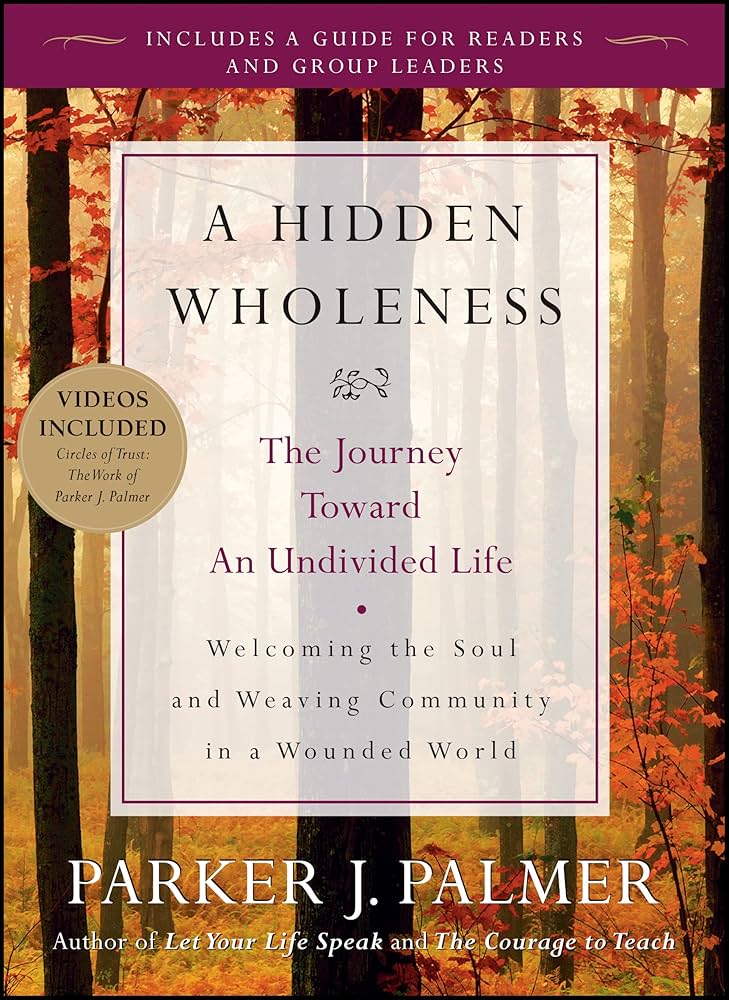
In Parker Palmer’s book A Hidden Wholeness, he writes about our tendency to live divided lives rather than ones that are integrated. Integrity, for Palmer, is being what you are. He encourages us to listen to what that still small Voice within us might be saying about who we are and are to be. Pay close attention rather than ignoring it. Listening leads toward integration as we begin to engage the dissonance in our lives honestly—or, as I like to think of it—the gap between who I am today and the person my life is calling me to be.
Some of us have a long way to go—or may, at least, feel that way. That gap can seem impossibly big, especially when confronting my annoying habits, the false image I wish to project, and my shameful ways. We may need help facing these realities—a counselor, a good therapist, a spiritual director, and, almost certainly, a close circle of friends who love us enough to help us see what we cannot or will not know about ourselves. Friends who are able and willing to speak the truth in love and unswervingly committed to us even when our lives are a mess. And, in my experience, none of this transformation is complete without the grace and power of God working in and through us.
I don’t know about you, but I can’t wrap my head or heart around all the ways I still need to move toward wholeness, so I find it helpful to focus on one area to work on nurturing my integrity.
As you embark on this new year, I invite you to take time away from media, office, hobbies, and your most beloved distractions to listen to your life. As you prayerfully consider being whole, is there one area of your life you might focus on this year?
Maybe your life is calling you to greater honesty. Kindness. Courage. Trust. Compassion. Self-discipline. Generosity. Forgiveness. ???
As I have practiced this in the past, I have found it helpful to consider the Fruits of the Spirit—and focus on one—that seems to be surfacing in my life as a priority to listen to and focus on. These fruits include love, joy, peace, forbearance, kindness, goodness, faithfulness, gentleness, and self-control. I have focused on self-control, gentleness, faithfulness, and humility in years past. In listening to what my life was saying about each of them—I feel like I heard ways I might grow and echoes of who and what I might become.
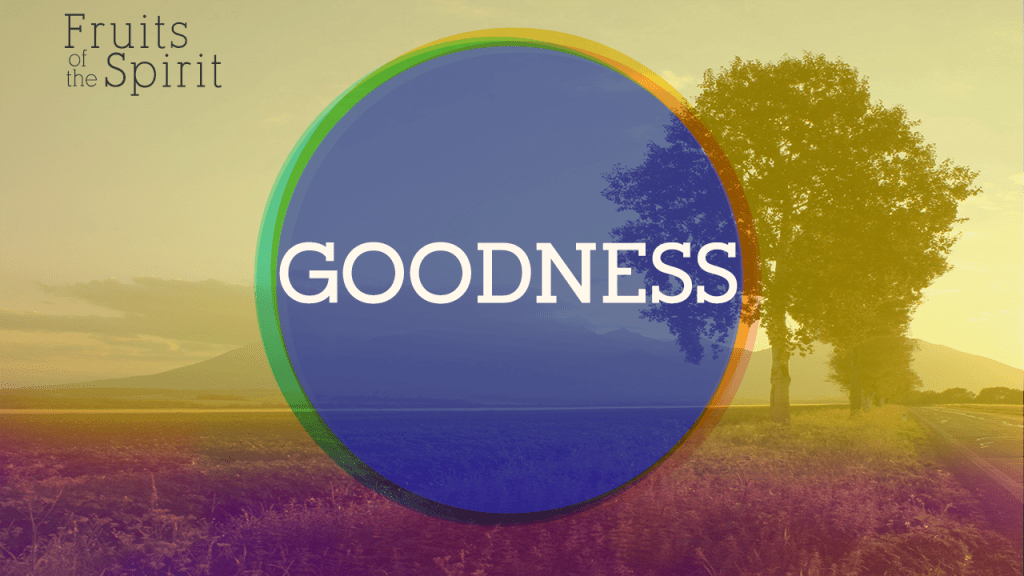
Over the last several months, I’ve heard my life speaking to me about growing in goodness. Goodness is a kind of genuine purity of heart mingled with kindness, expressed as a blessing and benefit to others. Being good includes honesty, compassion, empathy, and respect for others. It shows up as one does what is right regardless of the circumstances. I think goodness is ultimately rooted in our understanding and experience of God, and it flows out of us as that relationship shapes and deepens us.
Well, this is definitely an area of growth for me. I know truly good people, including some of you reading this. Not me—I still have to work awfully hard at being good. It is not native to me in the way it is to others. So, this year, I want to listen to my life—to hear how it calls me to become someone truly good by learning to yield to God and learn how my actions, attitudes, and understanding might find a deeper integrity. I wish to explore practices, patterns, and habits of goodness that help weave this reality into the fiber of my being.
Expressed as a bucket list item, I want my children and grandchildren to know me as a good and godly man by the end of my life. I’d like my neighbors to have the sense they can trust me with their cares, hopes, and burdens. I want to respond more naturally to others with honesty, empathy, and respect than I do today. Along with doing what is good, I want to be a presence for good in my interactions with others.
That is my work for this year, and probably until that day the old bucket comes into view. What about you? Is there an area of your life, something you hope to be, that your life is calling you toward?
 Walking in the Way and Stumbling Toward Faithfulness
2 responses to “Bucket List”
[…] due to conflict, climate change, and economic insecurity. And, as I mentioned in my last post (https://walkingintheway.blog/2025/01/01/bucket-list/), poverty remains a desperate problem for much of […]
LikeLike
Il n’y a qu’une chose sur ma liste de choses à faire avant de mourir : quitter le monde du travail de 9 à 17 heures et créer ma propre entreprise. Chaque jour, j’essaie de trouver de nouvelles idées et j’utilise un programme appelé EntreQuick.com pour documenter, valider et organiser toutes mes idées. Plus besoin de noter mes idées sur une serviette en papier.
Une excellente lecture, merci.
LikeLike