(An earlier version of this was first published in Quaker Life, v.5, no. 2, 2020)

In one form or another, the well-known “Jesus Prayer” dates back to the early 5th century. Particularly prominent in the Eastern Orthodox tradition, this short, simple, repetitive prayer has been used by dessert mothers and fathers, some of the more well-known saints, and by countless unknowns like the rest of us in our quest to love, know, and obey the Living Christ.
Prayer is a puzzle I have been trying to solve for most of my adult life. Since I did not have the benefit of growing up in a religious home, I did not learn to pray when I was young. No one bothered to explain its meaning or model its form. As a child, I did not develop the habitus, that deeply ingrained disposition and skill, to naturally to turn to God in any and every circumstance. For me, learning the language of prayer as an adult has been like trying to acquire a foreign language as an adult—not impossible, just way more challenging.
Over the years, I have learned and used a variety of prayer patterns, alternated my spiritual disciplines, and generally tried to cultivate an ongoing conversation with God throughout the day. I have been moved by the notion of prayerful worship as living with a heart perpetually bended toward God. Whether waking or sleeping, working or playing, all of life can be lived in this manner. And in my experience, even if it is at times more sputtering than ceaseless, prayer is the essential portal that makes a worship-full life a more vital and vivid reality.
Equally important, I’ve come to experience the substance of what the French philosopher, mystic, and political activist Simone Weil uncovered in her pursuit of God—that prayer is essentially learning to pay attention.[1] And in the process of doing so, finding that the experience of abiding in God not only tenders and transforms us, but it also animates and enables us to live in solidarity with others—especially those who are suffering.
Of all the words used to describe God, each one and all of them together are insufficient. Were I to choose one, however, that best describes who God is and how God relates to me, the easy choice is Mercy. Maybe this is one reason I am drawn to the Jesus Prayer.
Mercy is a concept integral to an understanding of God’s dealings with humankind. Sometimes, theologians like to differentiate “mercy” from “grace” by considering grace as offering an undeserved gift, while mercy is seen as withholding a deserved punishment. I think this limited definition undermines the fullness and beauty of God’s mercy, however, and unintentionally hinders the power it can have in our lives. Mercy is much—so much more—than being let off the hook.
Above all, mercy is the demonstration of God’s lovingkindness. The primary Hebrew term is hesed which is God’s committed, covenant love for us. In the New Testament, mercy is compassion in action—God’s kindness coming to us over and over again to liberate and free us to become something more than we otherwise might be.
I think about this when I read the story of the tax collector and the Pharisee from Luke 18.
9 To some who were confident of their own righteousness and looked down on everyone else, Jesus told this parable: 10 “Two men went up to the temple to pray, one a Pharisee and the other a tax collector. 11 The Pharisee stood by himself and prayed: ‘God, I thank you that I am not like other people—robbers, evildoers, adulterers—or even like this tax collector. 12 I fast twice a week and give a tenth of all I get.’13 “But the tax collector stood at a distance. He would not even look up to heaven, but beat his breast and said, ‘God, have mercy on me, a sinner.’ 14 “I tell you that this man, rather than the other, went home justified before God. For all those who exalt themselves will be humbled, and those who humble themselves will be exalted.”
For those who think of justification or reconciliation with God only in legal or forensic terms, the mercy God shows to the tax-collector may change his status—moved from the unforgiven list to the forgiven list—but it will not necessarily change his life. The debt he owes for breaking a divine law gets covered by God’s grace and whatever guilt he feels may be relieved. Among the many ways atonement gets described in the Bible, this view dominates Western Christianity. While there is something important and truthful in this understanding of justification before God, it again lacks the fullness, nuance, and beauty that gets fleshed out in a real, moment-by-moment relationship with God through Christ.
In a different way, Eastern Orthodox Christianity tends to view justification in less legalistic and more medical terms. As much as we might do wrong, it may also be true that we are sick, or maybe broken, and in need of healing. Perhaps our circumstances are so toxic that we have, over time, become unwell. And so—we cry out to God for mercy, not simply for forgiveness-sake, but because we long to change, to be renewed into the image of Christ, to grow in ways that make us fully alive, fully human. More than simply wanting to be forgiven, we want to be well for our own sake and the sake of all of God’s glory and the good of others. Our longing for mercy is about our fragmented lives and the shattered-ness of creation coming to a place of wholeness.
Now, maybe the tax collector from the Luke passage only wants to have his sins forgiven. Perhaps he feels miserable knowing he had cheated people, been a traitor to his Jewish sisters and brothers by serving a brutal and oppressive Roman Empire, and gained his wealth at the expense of others within a culture where roughly 60% of the population lived below the poverty line. Maybe it is all guilt talking when he says:
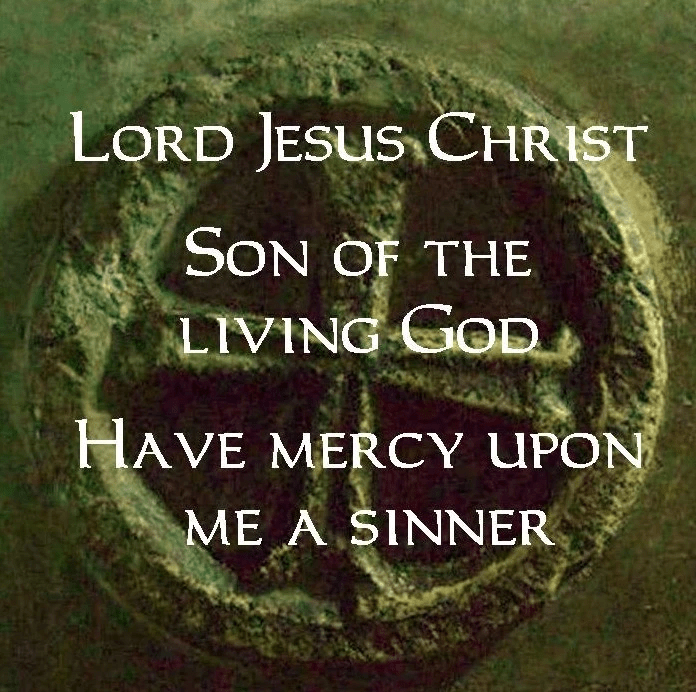
But for many people—including me—this prayer is not simply rooted in the desire to be forgiven. I have received God’s forgiveness many times for wrongs I have knowingly and willingly done and for countless harms I was too blind or ignorant even to notice. What I hunger for is not that grace that no longer tracks my trespasses. Rather, this prayer reveals a yearning to be wrapped in a mercy so powerful that it transforms and heals my broken and twisted humanity. It is a longing to be refashioned into something more like the One I have committed to follow. Maybe the tax collector, who is living at odds with his Jewish sisters and brothers and finding himself more committed to acquiring wealth than serving God, actually seeks deliverance now. Maybe his cry of repentance is less about expressing remorse and more about receiving the healing and renewing grace that will free him to embrace a whole new self-understanding and way of relating to others—that includes peace, justice, simplicity, generosity, integrity, and love.
Another Hebrew word for mercy derives from the most-motherly organ in the human body—the womb. This is the place of our formation, where we live in the greatest state of dependence upon another. I love this image of being surrounded by, enveloped in, and solely dependent upon God’s compassion in action and loving-kindness. When I wait within this womb of mercy, I find the patient power of God helping me become less of a sinner and something more akin to a saint. I also find myself becoming just a little less embittered toward those I don’t see eye-to-eye with. Those whom I feel like are encroaching on my life, my hopes, my rights, and my sense of right and wrong. In the womb of mercy awaiting my formation and growth—I am far more likely to understand another person’s need for the same kind of growth in grace. In the experience of being surrounded by and held in mercy, I am changed and made whole in a way that transforms how I relate to others.
Ephesians 2 says that God is rich in mercy. And though we have lived in broken, bent, and sometimes rebellious ways, God’s grace comes to us and heals us. It sets people, relationships, and the world right. It saves us—in the fullest possible sense—from ourselves to a life of shalom, justice, righteousness, and enoughness. Through God’s mercy and grace, we come to find our place in the world. We uncover our calling and have the opportunity to enter into the work we have each, and all of us together, have been created to do. Essential work—that is part of God’s restoration of the cosmos. In its fullness, mercy draws us together into a beloved community, expressed in Ephesians 2 as a poem or song. “We are God’s workmanship”—a poiema—written, spoken, and sung to the world in a way that restores beauty to creation.
In mercy—through receiving mercy—I believe we become a gift of mercy to others—a healing song that invites others to seek what we have found.
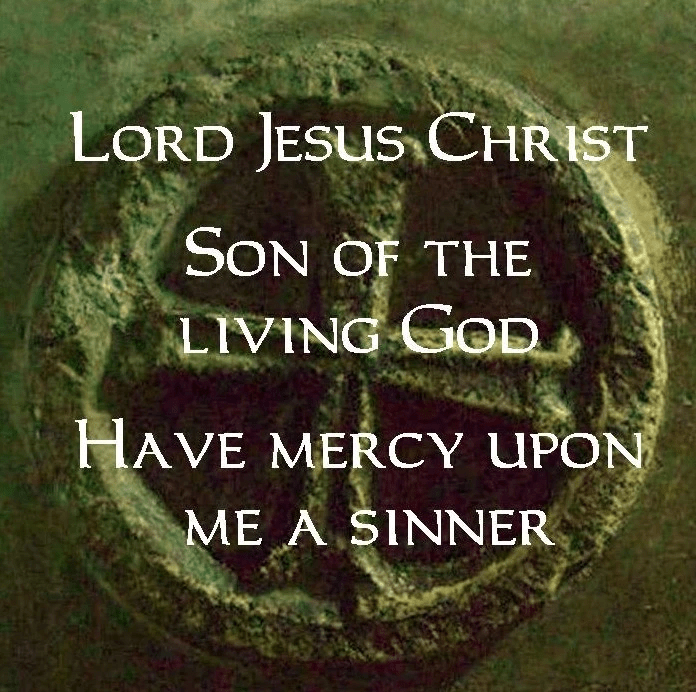
And so, I wonder and find myself drawn to pray–
1 Simone Weil, Waiting for God
 Walking in the Way and Stumbling Toward Faithfulness
2 responses to “Have Mercy on Me”
WordPress couldn’t find me . . . so I’m replying via email-
I loved where you talk about God saving us “in the fullest possible sense—from ourselves to a life of shalom, justice, righteousness, and enoughness” (maybe even fullness). On the whole I’ve found the evangelical emphasis on “eternal salvation” rather than on “now salvation” rather empty . . . and you’ve spoken to that lack in/for me.
It’s probably just the English translation but I like the double meaning of grace where the second meaning references gracefulness (a choreographed beautiful dance of shalom).
Warren Koch Cinema Professor Emeritus (Azusa Pacific) 23930 Stone Lane Caldwell, ID 83607 909-538-6167
On Thu, Jan 12, 2023 at 8:05 AM Walking in the Way and Stumbling Toward
LikeLiked by 1 person
I love those, Warren, and I resonate entirely with you. I understand the lure of “eternal” for many people, yet Jesus’ message of salvation is so much more than what happens to us after we die. The notion that mercy heals and liberates me now adds meaning (and I would say validity) to the idea that there an added revelation of it “over yonder.” Thanks for your thoughts!
LikeLike